Anyone who has spent time around an asphalt crew knows the work pace doesn't leave much room for surprises.
The trucks are rolling. Traffic control is in place. Milling needs to stay ahead of paving, cleanup must happen before the next phase begins, and every delay ripples through the schedule. In that environment, it usually isn't a major machine failure that throws everything off course. More often, it's an attachment that wasn't ready when the day started.
A missing milling tooth. A hydraulic hose that's beginning to seep. A breaker tool that's overdue for grease. A broom's worn bristles that leave material behind.
Individually, none of these issues seems significant. Collectively, they can cost hours of production over the course of a season.
While skid steers, compact track loaders and excavators typically receive the most maintenance attention, the attachments hanging on the front of those machines often experience the harshest working conditions. They're exposed to impact, vibration, abrasive materials, dust, moisture and constant loading. Yet many contractors admit attachments are frequently serviced only after performance begins to suffer.
The reality is that a disciplined maintenance routine doesn't need to consume valuable shop time. In fact, the best programs are often built around a handful of inspections that become second nature for operators before the machine ever leaves the yard.
Start With a Walkaround, Not a Wrench
The simplest maintenance practice is also one of the most effective.
Before the first engine starts each morning, operators should take a slow walk around every attachment scheduled for use. That inspection isn't about finding catastrophic failures. It's about identifying the small problems that haven't yet become expensive ones.
Loose hardware, cracked welds, worn hoses, damaged hydraulic fittings and excessive wear around pivot points are all easy to overlook when everyone is focused on getting to the jobsite. Catching these issues early can prevent far more costly downtime later in the day.
Hydraulic couplers deserve particular attention. Dirt introduced during an attachment change doesn't stay at the coupler—it travels through the hydraulic system, potentially damaging pumps, motors and valves. Taking a few seconds to wipe couplers clean before connecting them is one of the least expensive forms of preventive maintenance available.
Cold Planers Take the Biggest Beating
Few compact attachments work harder than a cold planer.
Every pass subjects the milling drum, cutting teeth and hydraulic system to continuous vibration while grinding through abrasive asphalt. That's why daily inspections matter.
Cutting teeth should be checked before every shift. Teeth that are chipped, rounded or missing reduce cutting efficiency and place additional strain on the remaining teeth. Operators sometimes continue working because "it's still cutting," but uneven wear creates vibration that eventually affects bearings, holders and the drum itself.
Tooth holders deserve equal attention. A damaged holder won't retain a new tooth properly, and ignoring it usually leads to more extensive repairs later.
Contractors should also remove asphalt buildup from the drum and housing at the end of each shift. Material left to harden overnight can affect drum balance and increase wear during the next day's operation.
Hydraulic Breakers Reward Consistency
Breakers often spend hours delivering thousands of impacts under severe operating conditions. They are remarkably durable, but only when basic maintenance isn't ignored.
Proper lubrication remains the single most important maintenance task. Greasing the working tool at manufacturer-recommended intervals reduces friction between the tool and bushings while minimizing heat buildup. Skipping lubrication for the sake of saving a few minutes usually results in accelerated wear that becomes far more expensive than the grease itself.
Operators should also inspect retaining pins, bushings and the working tool for excessive movement. Components that develop too much play begin transferring impact energy where it doesn't belong, reducing performance while shortening the life of the attachment.
Many contractors now include breaker inspections in their daily startup routine instead of leaving them for scheduled service intervals. The practice takes only a few minutes but often prevents days of downtime later.
Don't Overlook the Cleanup Equipment
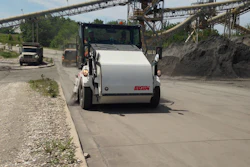
Rotary angle brooms rarely receive the attention given to planers or breakers, yet they're often the last attachment used before traffic returns to a roadway.
Their performance depends on routine care.
Brush wafers wear gradually and should be monitored for uneven patterns that can affect sweeping quality. Bearings, caster wheels and hydraulic motors also deserve regular inspection, particularly after long periods of operation in dusty conditions.
Wire, plastic banding and other debris frequently wrap around rotating shafts. Left unchecked, those materials can damage seals or restrict rotation. Cleaning the attachment before storage not only improves its appearance, but it also extends service life.
Road Saws Depend on Precision
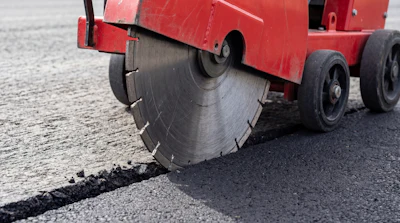
Road saws operate under tremendous load, making precision maintenance especially important.
Diamond blades should be inspected before every use for cracks, excessive wear or damage. A worn blade doesn't simply reduce cutting speed; it can also increase vibration throughout the attachment and place additional stress on bearings and hydraulic components.
Operators should resist the temptation to exceed recommended cutting depths. Attempting to make deeper cuts in a single pass may appear to save time, but it significantly increases wear on the attachment and the carrier while reducing blade life.
Simple operating discipline can have as much impact on service life as maintenance itself.
Buckets, Grapples and Material Handling Tools Need Attention, Too
Material handling attachments may appear simple compared to powered attachments, but they're far from maintenance-free.
Buckets should be inspected regularly for worn cutting edges, bent side plates and cracked welds around high-stress areas. Be sure to inspect teeth and wear bars during this process, too.
Grapples require routine greasing of pivot pins and hinges to prevent accelerated wear. Hydraulic cylinders deserve a close look as well. Address damaged rod surfaces, leaking seals or loose fittings before contamination enters the hydraulic system or performance begins to suffer.
Small repairs completed during planned maintenance are almost always less expensive than structural repairs made after failure.
Storage Is Part of Maintenance
How an attachment is stored often determines how well it performs months later.
Clean attachments should be cleaned before they're parked, particularly after working around asphalt, salt or other corrosive materials. Hydraulic ports should be capped whenever possible to prevent contamination, and exposed cylinder rods need to be protected from moisture and physical damage, as well.
Parking attachments on stable, level surfaces also reduces unnecessary stress on frames, hoses and mounting systems.
Operators Make the Difference
The best maintenance program can't overcome poor operating practices.
Running attachments outside recommended hydraulic flow ranges, using the wrong attachment for the application or repeatedly forcing equipment beyond its intended limits accelerates wear regardless of how well the attachment is maintained.
Experienced contractors understand that preventive maintenance begins with operator training. Teaching crews how to inspect equipment, recognize early signs of wear and understand attachment limitations generally produces better results than simply increasing scheduled service intervals.
The Return Shows Up in Uptime
Preventive maintenance isn't glamorous. Nobody notices the attachment that worked flawlessly all week because it was inspected every morning. What people do notice is the attachment that fails halfway through a milling job and brings an entire crew to a stop.
For asphalt and pavement contractors, productivity is measured in hours, not days. Every delay affects schedules, labor costs and customer satisfaction. A few extra minutes spent inspecting attachments before work begins can prevent hours of lost production later.
The most successful fleets recognize that attachments aren't accessories—they're production tools. Cold planers, hydraulic breakers, road saws, rotary brooms and material handling attachments each play a critical role in keeping projects moving.
Treating them with the same level of attention given to the carrier machine isn't simply good maintenance practice; it's one of the smartest investments a contractor can make during a busy paving season.